Exploring the Intriguing Flavor Profiles of Diverse Microgreens and Their Culinary Potential

Updated: Jul 5
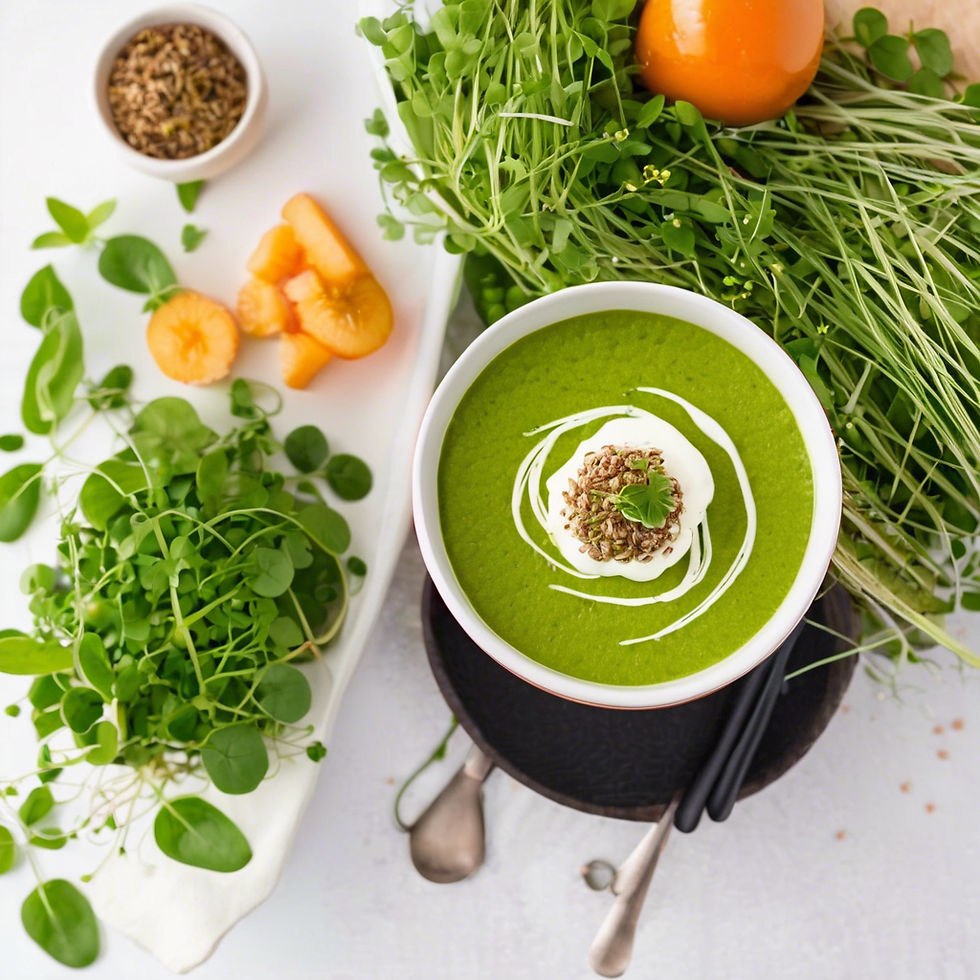
Microgreens have taken the culinary scene by storm recently. These tiny, nutrient-rich plants pack a serious punch when it comes to flavor, making them favorites among chefs and home cooks alike. With their vibrant colors and distinctive tastes, microgreens can transform a simple dish into something extraordinary. In this blog post, we will explore the fascinating world of microgreens, highlighting their unique flavor profiles and culinary applications.
Understanding Microgreens
Microgreens are young seedlings of edible vegetables and herbs, typically harvested shortly after the first true leaves have developed. Although they are small, these greens are praised for their robust flavors, vibrant colors, and high nutritional content. Studies show that microgreens can contain up to 40 times more nutrients than their mature counterparts, making them an excellent addition to a healthy diet.
The flavor of microgreens varies depending on their type and growing conditions. Some are mild, while others can deliver a spicy kick. By exploring different types, we can appreciate how their unique characteristics can complement numerous dishes.
Popular Microgreens and Their Flavor Profiles
1. Arugula Microgreens
Arugula microgreens are celebrated for their peppery flavor, akin to mature arugula leaves. These greens can add a bold touch to salads and sandwiches. For example, a salad featuring arugula microgreens can be paired with creamy dressings or tangy cheeses, creating a dynamic flavor experience.
2. Basil Microgreens
Basil microgreens deliver a sweet, aromatic flavor that is both refreshing and fragrant. This delicate taste makes them perfect for garnishing dishes like pasta, soups, or pizza. Adding basil microgreens to a classic Caprese salad or a fresh tomato sauce can elevate the dish without overwhelming other flavors.
3. Radish Microgreens
Radish microgreens offer a spicy crunch. Their peppery flavor adds an exciting twist to any meal. For instance, they can top tacos, sandwiches, or grain bowls, adding both crunch and flavor. At about 15 calories per cup while being nutrient-dense, they are a great way to enhance your meals.
4. Beet Microgreens
Visually striking with their deep purple-red hue, beet microgreens have an earthy flavor and subtle sweetness. They can be used in salads or wraps and make an excellent garnish on savory dishes. Pairing them with tangy dressings, such as balsamic vinaigrette, brings out their natural sweetness, making beet microgreens a showstopper on any plate.
5. Pea Shoots
Known for their sweet, fresh flavor, pea shoots have a tender texture that makes them versatile. These greens can shine in salads, stir-fries, or as soup garnishes. A simple salad of pea shoots, cherry tomatoes, and feta can be a refreshing side dish on a hot day.
6. Cilantro Microgreens
Cilantro microgreens have a fresh, citrusy flavor that is even more intense than mature cilantro. They are ideal for those who enjoy bold flavors. Adding them to salsas or Asian dishes like pho enhances the dish. At only 5 calories per cup, they offer flavor without extra calories.
7. Sunflower Microgreens
Sunflower microgreens have a mild, nutty flavor with a crunchy texture. They can enhance many dishes, from salads to grain bowls. A sprinkle of sunflower microgreens on a smoothie bowl not only boosts nutrition but also adds visual appeal.
8. Mustard Microgreens
Mustard microgreens provide a distinct peppery flavor reminiscent of horseradish. Their robust taste can elevate salads and various dishes. Using them as a garnish for meats or hearty vegetable dishes can add a spicy kick that enhances the overall flavor profile.
Culinary Applications for Microgreens
Microgreens can be used in many culinary applications. Here are some ideas to get you started:
Salads: Combine various microgreens for a diverse salad offering a range of flavors and textures. This mix not only adds color but also makes salads more attractive and delicious.
Sandwiches and Wraps: Incorporate microgreens in sandwiches and wraps as a fresh, flavorful substitute for traditional greens. They can bring a burst of flavor and color to any meal.
Final Thoughts
Microgreens are a fantastic addition to any kitchen, offering a variety of flavors and culinary potential. From the spicy kick of radish microgreens to the sweet notes of basil, these petite greens can enhance dishes and provide essential nutrients.
As the culinary world continues to discover the health benefits and versatility of microgreens, now is the perfect time to explore their unique flavor profiles. Whether you are a seasoned chef or an aspiring home cook, experimenting with microgreens will open new doors in your cooking, turning everyday meals into extraordinary dishes.
Start incorporating these vibrant greens into your meals, and you will find that they add flavor and a touch of creativity to your culinary repertoire. Happy cooking!


Comments